
A Look at the Fabric Choices: What HMDD Reveals About Its Textile Selections
Within the streetwear scene, HMDD has carved out a reputation by approaching material choice like part of its brand storytelling, rather than an afterthought buried in a size guide — standing in for «Happy Memories Don’t Die.» HMDD frames its garments as sentimental items you put on, and the concept only works if the fabrics feel like something worth keeping. Shoppers searching for an hmdd review often land on the same question: does the fabric actually match the emotional weight of the branding, or is it just another logo-driven drop riding on nostalgia? This article examines what HMDD communicates about its materials, how such choices play out in particular product lines like hmdd sweatpants and hmdd shorts, and what this implies for anyone deciding whether to make a purchase in 2026.
Via a catalog shot, a customer cannot fully judge the fabric in a piece. Hue, silhouette, and pattern register at a glance; density, hang, and a blend’s durability through many wash cycles remain unseen. Transparency is central to HMDD’s messaging on this front — product pages and brand communications repeatedly emphasize fabric composition, construction detail, and the intended feel of each piece. Since shoppers are more literate about textiles and increasingly unwilling to trust hazy claims like «premium quality» unless a number or spec backs them up, this strategy carries greater weight in 2026 than it did five years back.
Why Fabric Talk Emerged As Central to What HMDD Stands For
On purpose, the phrase «happy memories don’t die» is sentimental, and this kind of emotive marketing draws scrutiny. Should a hoodie be designed to feel like a tangible memory, it must hold up under the demands of actual daily living — washing machines, daily wear, shifting weather. HMDD’s response to that pressure has been to be transparent regarding what goes into each piece, rather than happy memories don’t die tee leave shoppers to speculate. This is a deliberate positioning move: fans of streetwear have grown skeptical of brands that lean entirely on graphics and drop scarcity while saying little about construction.
The numbers support that skepticism. Market research reports on consumer behavior in apparel reliably indicate that a significant portion of online shoppers — typically pegged at over 60% — read the materials section ahead of completing their order, most notably regarding fleece and outerwear pieces costing more than budget basics. HMDDLA’s catalog, encompassing hoodies, tees, sweatpants, and shorts, falls within a price bracket where purchasers take for granted that information will be both accessible and correct. Omitting material details at that tier reads as a red flag; clear detail projects confidence.
Beyond that, there’s a down-to-earth customer-loyalty angle too. A customer who buys hmdd clothing once and finds the fabric disappointing rarely becomes a repeat customer, no matter how strong the emotional branding is. Fabric quality is the factor that turns an looks-based one-time purchase into a trust-driven loyalty purchase. That’s likely why the brand’s product descriptions repeatedly return to fabric weight, blend ratios, and finishing details rather than treating them as fine print.
Joggers and Shorts: A Spot Where Fabric Choice Is Most Visible
Sweatpants and shorts are unforgiving categories for fabric mistakes. A hoodie can hide a slightly stiff fabric under looser styling, but sweatpants sit against the skin for hours and shorts see far more movement and friction. HMDD sweatpants are positioned in the brand’s lineup as an everyday-comfort item, which puts direct pressure on the fleece or blend used inside them to perform in three ways: softness against skin, retention of shape after repeated wear, and breathability during warmer months.
Serving a somewhat distinct purpose is the function HMDD shorts take on — they’re designed for a lighter, more mobile feel, and the brand’s descriptions of these pieces lean toward stressing a a softer, easier feel and reduced bulk relative to the sweatpants line. That distinction matters practically: a shopper buying for layering in cooler months wants the sweatpants’ heavier construction, while for spring or summer rotation, the shorts’ lighter design is the better fit. This distinction is usually echoed in the brand’s own copy rather than treating all bottoms as interchangeable.
More than most shoppers assume, fit and fabric work together. A mostly-cotton fabric with little give will drape differently than one with added elastane, and HMDD’s fit guidance paired with its fabric details are designed to help buyers foresee how the two will combine before they check out. In this respect, that particular product page is more useful than a general brand review, since the blend composition can vary between collections and seasonal collections.
Just What «Best HMDD Clothing» Genuinely Means to Shoppers
People searching for the most sought-after hmdd clothing more often than not aren’t really trying to determine which one piece is inherently better—they’re asking which pieces yield the most consistent value for the price paid, based on how the fabric holds up over time. This is a reasonable way to think about it, because value in clothing is essentially a balance: cost divided by the number of good wears you get that you get before the item fades, stretches out, or pills.
Cotton-rich fleece, given the right finishing, holds up against pilling more effectively than lower-cost poly-cotton blends cut with lower-grade fibers. Labels that disclose their fabric ratio — for example, a majority cotton percentage against a minority synthetic for shape retention — are offering customers the tools to gauge that lifespan themselves. HMDD’s practice of listing fabric specifics on its product pages, rather than relying on lifestyle imagery alone, matches this more transparent model of streetwear retail which by 2026 has become the expected standard.
Fit consistency across a size run is a further subtle indicator of a carefully constructed line. When a buyer picks up a medium hoodie and a medium sweatpant and both keep fitting properly through repeated washes, that’s the reward of consistent fabric sourcing showing itself. Inconsistent sourcing — where a given batch drifts slightly from the blend used before it — is one of the most common complaints in virtually any streetwear review, and it’s the type of issue diligent fabric disclosure is meant to prevent.
How Fabric Priorities Differ Across HMDD’s Core Categories
Distinct garment categories ask different things of a fabric, and HMDD’s lineup shows as much rather than applying a single blend to every item. The chart underneath breaks down how the label’s outlined priorities typically shift by category, according to its own product messaging.
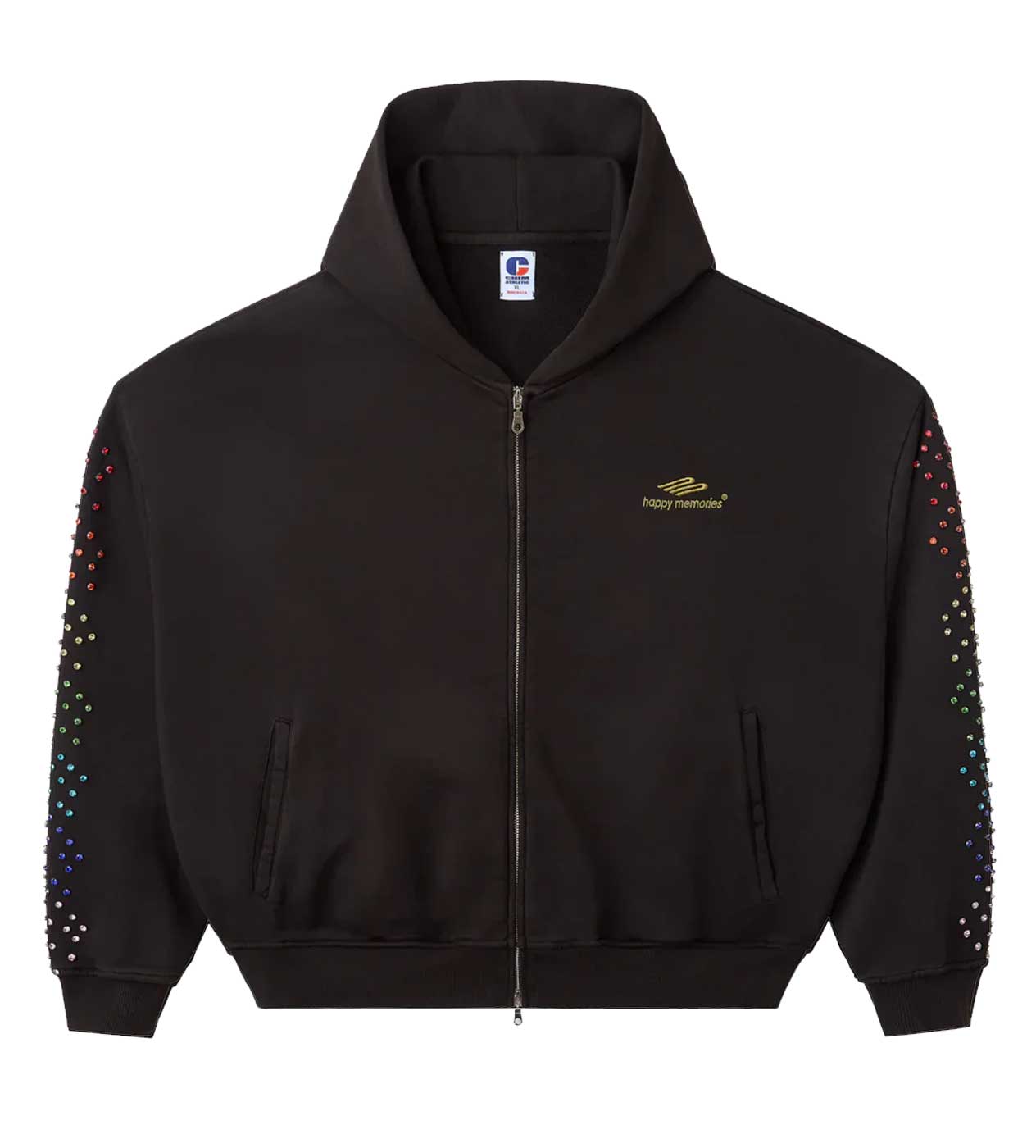
| Product Type | Primary Fabric Priority | Typical Use Case | Important Purchase Factor |
|---|---|---|---|
| Hoodie styles | Fabric weight paired with warmth-holding ability | Winter layering wear | Shrinking after repeated washing |
| HMDD Sweatpants | Soft hand-feel and structural retention | Daily comfort wear | Long-term stretch retention in waistband and cuffs |
| HMDD Shorts | Ventilation and minimized bulkiness | Active wear suited to warm conditions | Fabric weight versus durability trade-off |
| Tees | Touch and the way it drapes | Standard base-layer wear | How well color holds up wash after wash |
Thinking that varies by category like this is a more convincing signal of a earnest clothing brand than a single blanket claim of «high quality fabric» applied to every product page. It implies the design team is making deliberate trade-offs rather than falling back on whatever textile is cheapest to source in bulk.
What an HMDD Review Actually Reveals Between the Lines
The bulk of HMDD reviews return to two core questions: does the emotionally charged brand identity feel sincere, and does the product physically hold up. Fabric occupies the crossroads of both, because a garment that wears out fast undercuts the «memories don’t die» premise in the plainest, most literal sense. A shopper who buys into that message wants the physical object to last, not just the marketing copy to resonate for the length of a single Instagram post.
In cases where unaffiliated reviewers discuss hmdd clothing, fabric weight is among the most frequently mentioned details — heavier fleece is generally read as a signal of investment in the product, while slimmer cotton fabrications are judged more on price point relative to expectation. It’s a sensible enough shortcut, but it’s not the whole picture; finishing quality, stitching density, and colorfastness matter every bit as much as raw fabric weight, and that nuance tend to surface only in reviews from people who’ve really put the item through repeated wear and wash cycles, not just opened the package.
For anyone comparing hmdd against other streetwear labels chasing the same nostalgic, memory-driven branding niche, the practical test is simple: look at the exact fabric makeup listed for the piece you’re eyeing, rather than relying on the brand’s overall reputation. The composition of one hoodie says nothing about how the shorts will fare, and a strong review of one drop doesn’t guarantee identical sourcing on the next.
Going Into 2026: The Takeaway
Fabric transparency is no longer optional for streetwear brands working at the scale HMDD does — it’s almost table stakes now among shoppers who’ve been burned before by vague listings. Brands that specify blend ratios, weight, and category-specific priorities are offering shoppers a more level playing field for comparing products than brands depending only on aesthetics and tagline charm.
HMDD’s continued emphasis on fabric-specific messaging, across sweatpants, shorts, hoodies, and tees, points to the idea that the brand understands that its «happy memories don’t die» concept only works if the product physically supports the sentiment. That alignment between message and material is, ultimately, the most useful thing any prospective buyer can evaluate before adding an item to their cart in 2026.
